Autumn SVG T-Shirt Sublimation Review
As a designer who has spent years bridging the gap between digital assets and tangible textiles, I approach every new file with a mix of curiosity and skepticism. We have all been there: downloading a trendy digital embroidery file that looks flawless on screen but turns into a tangled mess of thread breaks and puckering once it hits the hoop. Today, I am taking a close look at Autumn SVG Autumn T Shirt Sublimation, specifically evaluating its potential not just as a sublimation graphic, but as a foundation for high-quality embroidery projects.
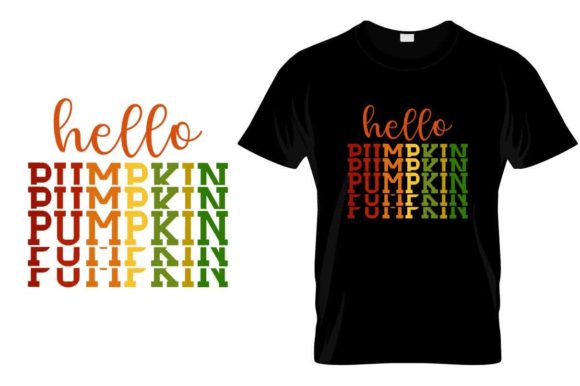
The product description highlights a "Hello pumpkin" quote, packaged with EPS, AI, SVG, and high-resolution PNG files. While marketed primarily for sublimation on t-shirts, my interest lies in how these vector paths translate to needle and thread. For Etsy sellers, craft business owners, and handmade shop proprietors, understanding this translation is critical. A design that works for ink-on-polyester does not automatically work for stitch-on-cotton. Let’s break down the practical reality of using this asset in a real-world custom apparel scenario.
First Impressions: Mood and Visual Personality
The immediate appeal of this design is its seasonal warmth. The phrase "Hello pumpkin" carries a playful, inviting tone that resonates deeply during the fall months. Visually, the layout appears balanced, likely featuring a mix of script and sans-serif typography common in modern Print Templates and Graphics. For an embroidery designer, the first thing I check is the flow of the letters. Are there sharp, acute angles that will require excessive jump stitches? Is the kerning tight enough to look cohesive but loose enough to allow for thread buildup?
In this case, the simplicity of the quote suggests a clean aesthetic. It avoids the overly complex illustrations that often plague autumn-themed designs, which is a significant advantage. Complex leaves and intricate pumpkins can become nightmares when scaled down, but a text-based design offers versatility. It feels appropriate for a wide range of items, from a cozy sweatshirt embroidery project to a delicate baby embroidery piece. The mood is friendly and accessible, making it a strong candidate for personalized gift items where emotional connection drives the sale.
Real-World Application: From Screen to Stitch
To test the viability of Autumn SVG Autumn T Shirt Sublimation, I imagined a specific client request: a set of matching family tops for a fall photoshoot. The client wanted a boutique look, not a mass-produced feel. This is where the distinction between a sublimation file and an embroidery file becomes crucial. While the included PNGs are ready for printing, the SVG and AI files are what we need to create a custom machine embroidery design.
Using the vector paths from the SVG, I would digitize the text for a left-chest placement on a heavyweight cotton tee. The "Hello" portion could utilize a light running stitch or a thin satin stitch to maintain elegance, while "pumpkin" might benefit from a slightly bolder fill to anchor the design. For a tote bag design, the same layout could be scaled up significantly. On canvas or denim, the texture of the fabric interacts differently with the thread. A fill stitch here would provide excellent coverage, hiding the weave of the bag and creating a premium tactile experience.
However, caution is required. If you are an embroidery decorator working with this as a direct print-to-garment item, the transparency and resolution of the included PNGs are key. The description notes they are 300 dpi and transparent, which is standard for quality design assets. But for those of us converting this to stitches, we must consider stitch density. If the original font has very thin strokes, converting them directly to satin columns without adjusting the width can lead to thread breaks. Always inspect the vector nodes in Illustrator or Inkscape before importing them into your digitizing software.
Navigating Fabric and Hoop Constraints
One of the most common mistakes small shop product creators make is ignoring the relationship between design size and hoop size. This design, being text-heavy, is relatively flexible. It can fit comfortably in a 4x4 inch hoop for small accents on caps or embroidered patch creations. However, placing it on curved surfaces like hat fronts requires careful stabilization. The push-pull effect of embroidery can distort text, making "Hello" look warped if the stabilizer isn't hooped correctly.
Fabric choice also dictates success. On dark fabrics, the design needs high-contrast thread colors. A burnt orange or deep gold thread would pop against navy or black, enhancing the autumn theme. Conversely, on light heather grey sweatshirts, a subtle cream or tan thread creates a sophisticated, understated look. Be wary of stretchy fabrics like jersey knits used in t-shirts. Without a proper cut-away stabilizer, the weight of the embroidery can cause the fabric to pucker, ruining the clean lines of the typography. For holiday embroidery gifts like kitchen towels, ensure the design is placed away from seams to avoid hoop burn and distortion.
Commercial Value and Brand Consistency
For commercial embroidery professionals, consistency is currency. Using a well-structured SVG like this one allows for precise replication across multiple items. Whether you are producing ten aprons for a local cafe or fifty pillow covers for a boutique hotel, the vector nature of the source file ensures that every digitized version starts from the same accurate shape. This reliability builds customer trust. When a buyer receives a finished product where the stitching is crisp and the alignment is perfect, they are more likely to return.
Moreover, the versatility of this design supports diverse revenue streams. You can offer it as a standalone custom apparel item, or combine it with other autumn motifs to create a collection. It works well for nursery decor if softened with pastel threads, or for adult fashion if executed in monochrome. The key is to treat the SVG not just as a clipart element, but as a structural guide for your stitching strategy. By adjusting the underlay and compensating for fabric pull, you elevate a simple graphic into a high-value textile art piece.
Practical Designer Notes for Best Results
Before you commit to production, keep these technical checks in mind:
- Test on Scrap Fabric: Always run a test stitch-out on the exact fabric type you plan to use. Thread tension and density needs vary wildly between fleece and cotton.
- Check Thread Contrast: View your design in grayscale. If the design disappears, you need higher contrast between your thread and fabric choices.
- Review Stitch Density: If digitizing from the SVG, ensure your fill stitches are not too dense for lightweight fabrics, which can cause perforation.
- Confirm Hoop Size: Measure the maximum dimensions of the text to ensure it fits your available hoops without resizing below legible limits.
- Inspect Small Details: Zoom in on the vector file. Look for overlapping nodes or unclosed paths that might confuse your digitizing software.
- Licensing Verification: While the file includes commercial-ready formats, always double-check the specific license terms provided by the creator regarding resale of finished physical goods versus digital redistribution.
In conclusion, Autumn SVG Autumn T Shirt Sublimation offers a solid foundation for fall-themed creations. While marketed for sublimation, its vector components hold significant promise for the thoughtful embroidery designer. By respecting the technical constraints of stitch formation and fabric behavior, you can transform this simple "Hello pumpkin" quote into a standout feature of your small business merchandise. It is a reminder that in our craft, the file is just the beginning; the expertise lies in how we bring it to life.