Reviewing Do What You Love Typography Design
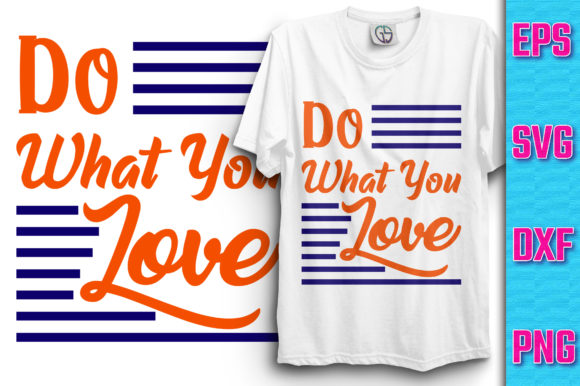
As a designer who has spent countless hours digitizing and stitching out typography, I have developed a keen eye for what works in thread versus what only looks good on a screen. When I first pulled up the Do What You Love Typography Design, my initial reaction was one of cautious optimism. Motivational quotes are a staple in the embroidery world, but they often suffer from poor spacing or overly complex serifs that turn into tangled messes under the needle. This design, however, presents a clean, modern aesthetic that suggests it was built with the limitations of machine embroidery in mind.
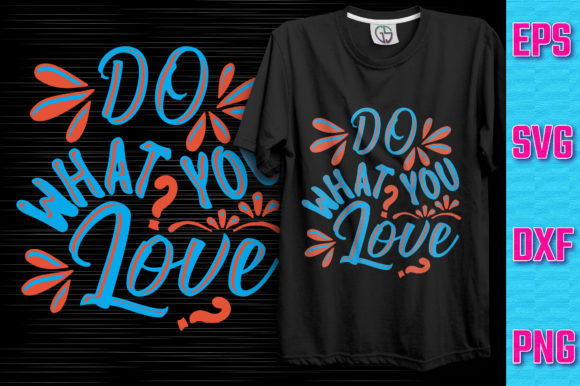
The visual personality of this piece is straightforward and uplifting. It does not rely on heavy ornamentation or intricate flourishes that can compromise stitch integrity. Instead, it leans into bold, legible lettering that commands attention without shouting. For an embroidery project, this balance is critical. You want the message to be readable from a distance, yet refined enough to hold up under close inspection. The layout feels balanced, offering a natural flow that guides the eye across the phrase without awkward gaps or crowded intersections.
Real-World Application: The Custom Tote Test
To truly evaluate any embroidery file, you have to imagine it on a physical product. I recently considered this design for a client’s line of reusable canvas tote bags. The goal was to create a handmade product that felt both artisanal and professional. I visualized the Do What You Love Typography Design stitched in a deep forest green thread against natural unbleached cotton. The contrast was striking. Because the typography is robust, it holds its shape well on textured fabrics like canvas or twill, where finer details might get lost in the weave.
This scenario highlights why this design fits so well into the category of T-Shirt Designs and broader apparel decoration. Whether applied to a heavyweight sweatshirt or a structured cap, the design maintains its clarity. For a small shop product, consistency is key. If you are an Etsy seller or running a boutique brand, you need assets that look identical whether stitched on a dark navy hoodie or a light gray tee. This design’s solid structure suggests it would perform reliably across various fabric weights, provided you adjust your stabilizer accordingly.
Stitching Performance and Technical Considerations
From a technical standpoint, typography designs live or die by their stitch density and connection points. While I do not have the exact stitch count for this specific file, the visual evidence suggests a thoughtful approach to fill areas. In machine embroidery, large blocks of text can become stiff and board-like if the density is too high. Conversely, if it is too low, the fabric shows through, ruining the professional finish. This design appears to strike a middle ground, likely utilizing a combination of fill stitch for the body of the letters and potentially satin stitch borders if scaled appropriately.
However, caution is always warranted with typography. If you plan to scale this design down for a baby embroidery project, such as a onesie or a small bib, you must check the legibility of the smaller letters. Tiny details can easily merge when stitched out on stretchy knits. I always recommend running a test stitch on scrap fabric before committing to the final garment. This is especially true for custom apparel where the cost of the blank is high. A failed stitch-out on a premium sweatshirt is a costly lesson.
Another critical factor is the choice of thread colors. High-contrast combinations work best for this type of motivational quote. A monochromatic look, such as white thread on white fabric, might look elegant in a printable mockup, but in reality, it can lack definition. For a personalized gift or a holiday embroidery item, consider using variegated threads to add depth to the letters, but ensure the color shifts do not disrupt the readability of the message.
Versatility Across Product Lines
The versatility of the Do What You Love Typography Design extends beyond apparel. I can easily see this working as an embroidered patch for jackets or backpacks. Patches require dense stitching to prevent fraying, and the bold nature of this typography supports that requirement. It would also make a charming addition to home decor, such as a pillow cover or a kitchen tea towel. For home goods, the durability of the stitch is paramount, as these items undergo frequent washing. Ensuring you use a cut-away stabilizer will help maintain the shape of the letters over time.
For those selling digital embroidery file packages or design assets, this type of graphic is a strong seller. It appeals to a broad demographic, from students to entrepreneurs. The phrase "Do What You Love" resonates with creative entrepreneurs and hobbyists alike. By offering this as part of a bundle that includes EPS, SVG, DXF, and PNG formats, the creator adds significant value. These additional files allow for hybrid crafting. For instance, a maker could use the SVG for a vinyl heat transfer on one shirt and the embroidery file on another, creating a cohesive product line with minimal extra effort.
Where to Use Caution
Despite its strengths, there are scenarios where this design requires careful handling. Curved surfaces, such as the front panel of a baseball cap, can distort typography if the hoop size is not perfectly aligned. The horizontal nature of the text means it must be centered precisely to avoid looking skewed. Additionally, avoid using this design on very thin or slippery fabrics like silk or chiffon without extensive stabilization and testing. The weight of the thread could pucker the fabric, detracting from the clean lines of the Graphics.
If you are working with dark fabrics, ensure your digitizing software (if you are editing the file) or the original file uses proper underlay stitches. Without adequate underlay, the top thread may sink into the fabric pile, making the edges look fuzzy rather than crisp. This is a common issue in commercial embroidery that can make a product look amateurish.
Final Verdict for Craft Business Owners
In the competitive landscape of handmade goods, presentation is everything. The Do What You Love Typography Design offers a professional, clean look that enhances the perceived value of the finished product. It builds customer trust because it looks intentional and well-executed. For an Etsy seller or small business owner, this reliability translates to fewer returns and higher customer satisfaction.
Before adding this to your inventory, remember to verify the licensing terms. Ensure that the purchase allows for commercial embroidery sales if you plan to sell physical items. Check the recommended hoop size to ensure it fits your machine’s capabilities. Finally, always prioritize quality control. Stitch out a sample, trim the jumps cleanly, and press the garment properly. When combined with good craftsmanship, this design has the potential to become a bestseller in your shop, appealing to anyone looking for a reminder to pursue their passion.
Ultimately, this design is a solid addition to any designer’s library. It is practical, versatile, and emotionally resonant. Whether you are creating a tote bag design for a local market or a sweatshirt embroidery for an online store, this typography stands up to the rigors of real-world production. It is a tool that, when used wisely, can help elevate your brand and connect with your audience on a meaningful level.