Reviewing Little Miss Pumpkin Pie for Fall Embroidery
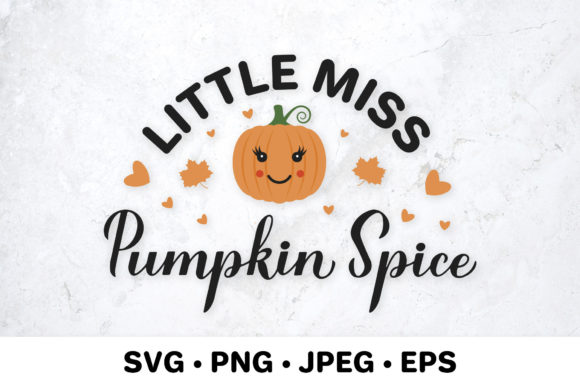
As an embroidery designer who has spent years translating digital concepts into thread, I approach every new machine embroidery design with a mix of curiosity and skepticism. We have all seen designs that look stunning on a screen but turn into a tangled mess under the needle. This season, I took a close look at Little Miss Pumpkin Pie. Fall Quote. to determine if it holds up in real-world applications. My goal was not just to admire the aesthetics but to evaluate its viability for commercial projects, client gifts, and small shop inventory.
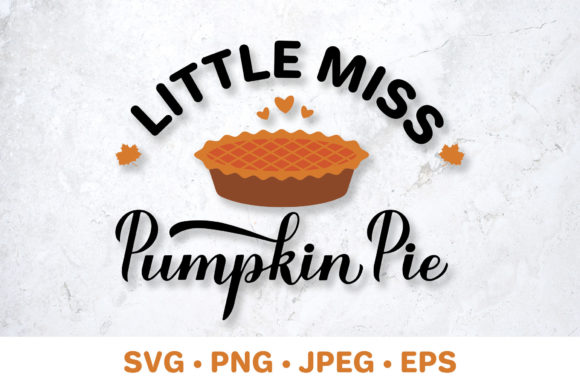
The first impression of this piece is undeniably warm. It captures the essence of autumn without relying on the clichéd, over-saturated orange palettes we often see in seasonal Illustrations. The layout suggests a playful yet rustic charm, making it an ideal candidate for holiday embroidery projects that need to feel personal rather than mass-produced. When I visualized this as a finished product, I immediately thought of cozy home goods and personalized apparel. It is the kind of graphic that invites touch, which is exactly what we want from high-quality embroidery file assets.
Real-World Application: The Custom Tote Test
To truly understand the potential of Little Miss Pumpkin Pie. Fall Quote., I imagined a specific use case: a custom canvas tote bag for a local farmer’s market vendor. This is a common request for Etsy sellers and craft business owners during the fall months. The design needs to be legible from a distance but detailed enough to justify a premium price point.
In this scenario, the quote serves as the focal point. If the design relies heavily on fine lines, it might get lost in the weave of a heavy canvas. However, if the underlying Graphics are structured with appropriate weight, it creates a bold statement. I envision this stitched in a cream or gold thread against a natural linen or dark olive fabric. The contrast would highlight the whimsical nature of the "Little Miss" character while keeping the text readable. For a personalized gift, adding a customer’s name below the main quote could enhance the value, provided the font pairing complements the original design style.
Performance on Different Fabrics and Hoops
One of the critical aspects of reviewing any digital embroidery file is understanding how it behaves on various textures. Little Miss Pumpkin Pie. Fall Quote. appears versatile, but caution is required when moving beyond standard cotton twill.
- Sweatshirts and Hoodies: This is perhaps the strongest application. The loft of fleece or French terry provides a beautiful backdrop for satin or fill stitches. The design would likely pop nicely on a chest pocket or centered on the back. However, you must account for fabric stretch. Using a cut-away stabilizer is non-negotiable here to prevent puckering around the letters.
- Caps and Curved Surfaces: Embroidering on a cap requires a design that is not too wide. If the quote is long, it might distort on the curved panel of a baseball cap. I recommend checking the width dimensions against your standard cap hoop. If the design includes intricate corners, they may need simplification to avoid thread breaks on stiff cap material.
- Baby Clothes: For baby embroidery, softness is key. If the design uses dense fill stitch areas, it might feel scratchy against sensitive skin. In this case, consider using the design on a bib or a blanket border rather than directly on a onesie chest. Always test the hand feel of the finished stitch density.
Technical Considerations for Stitching Clarity
From a technical standpoint, the success of Little Miss Pumpkin Pie. Fall Quote. depends on how well the digital vectors translate into needle paths. Since the product description mentions it is available as an SVG, PNG, JPEG, and vector EPS10, it is primarily marketed as a cut file for vinyl or paper crafts. This is a crucial distinction for embroiderers.
If you are converting this graphic into an embroidery project, you cannot simply import the SVG into your embroidery software and expect perfect results. You must digitize it properly. Pay attention to the following:
- Lettering Legibility: Small serifs or thin connections in the font can disappear when stitched. You may need to thicken strokes or use a running stitch outline before filling to ensure clarity.
- Thread Color Contrast: Test the design in black and white mockups first. If the design relies on subtle color shifts to define shapes, it will fail in embroidery. High contrast between the thread and the fabric is essential for the "cute" factor to land effectively.
- Density Management: If the pumpkin elements are solid, ensure the underlay is sufficient to anchor the top stitches. Too much density on thin fabric will cause tearing; too little on thick fabric will look sparse and unprofessional.
Commercial Viability and Brand Consistency
For small shop product lines, consistency is brand currency. Little Miss Pumpkin Pie. Fall Quote. fits well within a broader autumnal collection. It pairs naturally with other harvest-themed motifs like leaves, acorns, or pie slices. Using this design on a range of products—such as aprons, tea towels, and pillow covers—creates a cohesive look that customers recognize.
However, before listing items on Etsy or selling at craft fairs, you must verify the licensing terms. The product description lists it as a cut file for t-shirts, stickers, and mugs, but it does not explicitly state commercial rights for commercial embroidery or resale of the digitized file. Always confirm whether the license allows you to sell physical items made with the design. Assuming permission without verification can lead to serious legal issues for your handmade product business.
Final Verdict for Designers and Makers
In conclusion, Little Miss Pumpkin Pie. Fall Quote. offers strong potential for fall-themed creations, provided it is handled with technical care. It is not just a cute graphic; it is a foundation for a tangible, high-value item. Whether you are creating a custom apparel line for a boutique or making a one-off embroidered patch for a friend, the design’s charm is evident.
My advice is to start small. Stitch a test sample on scrap fabric similar to your final product. Check the tension, inspect the back for messy bobbin work, and evaluate the overall aesthetic. If the thread colors harmonize and the shape holds true, you have a winner. This design reminds us that successful embroidery is not just about the image, but about the interaction between thread, fabric, and intent. Use it wisely, respect the licensing, and let the quality of your stitching speak for itself.