Reviewing National Freedom Day SVG 1 February for Embroidery
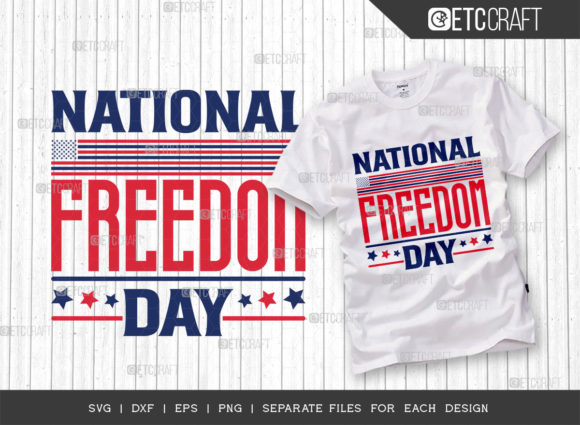
As a designer who has spent countless hours digitizing and stitching thousands of files, I approach every new machine embroidery design with a mix of curiosity and caution. We have all been there: you download a file that looks crisp on the screen, only to find it turns into a tangled mess of thread breaks and puckering once it hits the fabric. Today, I am taking a close look at the National Freedom Day SVG 1 February to see if it holds up under the needle. This is not just about whether the lines are clean; it is about whether this design can carry the weight of a real-world project for a craft business or a heartfelt personalized gift.
First Impressions and Visual Personality
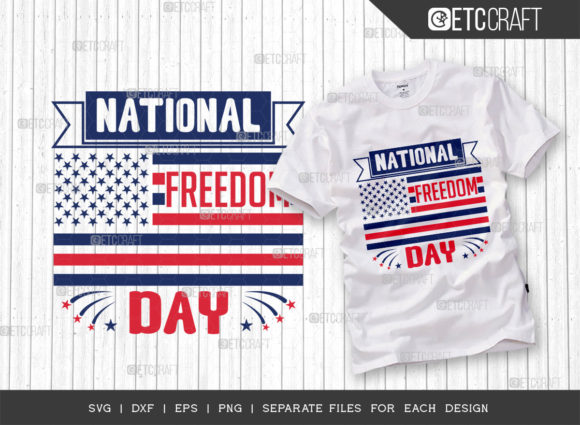
The first thing I notice about the National Freedom Day SVG 1 February is its thematic clarity. It does not try to do too much. In the world of T-Shirt Designs and holiday graphics, simplicity often wins because it translates better to stitch. The layout suggests a balance between typographic elements and symbolic imagery, likely featuring motifs associated with liberty and independence. For an embroidery project, this is crucial. Complex gradients and tiny details that work in print often fail in thread.
The mood here is respectful and celebratory. It feels appropriate for a wide range of applications, from a subtle accent on a tote bag to a bold statement on a sweatshirt. When I visualize this as a finished product, I see it working best when the design allows the thread texture to shine. If the file relies heavily on dense fill stitches, it might feel stiff on lighter fabrics. However, if it utilizes a mix of satin stitch for borders and running stitch for details, it could offer a lovely, flexible hand feel.
Real-World Application: The Custom Tote Bag Test
To truly evaluate an embroidery file, I like to imagine it in a specific scenario. Let us say I am preparing a custom order for a local history museum shop. They want a series of tote bags commemorating National Freedom Day. I choose a heavy canvas tote because it provides the stability needed for larger designs. Here, the National Freedom Day SVG 1 February would likely perform well. The sturdy fabric supports the stitch density, preventing the dreaded puckering that ruins so many handmade products.
In this context, the design serves as both decoration and education. A customer picking up this bag is not just buying a container; they are buying a piece of heritage. The visual appeal of the stitched letters and symbols adds a tactile quality that printed ink cannot match. This increases the perceived value of the item, allowing for a higher price point in an Etsy listing or a boutique setting. For an Etsy seller, this distinction is vital. Handmade presentation is everything, and a well-stitched design builds immediate trust with the buyer.
Fabric Considerations and Stitching Clarity
While canvas is forgiving, not every project will use heavy material. If you plan to use this design on a t-shirt or a baby onesie, you must proceed with care. Thin or stretchy fabrics require excellent stabilization. I always recommend using a cut-away stabilizer for garments that will be washed frequently, such as custom apparel or kitchen towels. The National Freedom Day SVG 1 February needs to breathe with the fabric. If the stitch density is too high, the garment will pull and distort around the design.
For dark fabrics, thread color contrast becomes your best friend. A patriotic or liberty-themed design often uses red, white, and blue. On a navy sweatshirt, white thread will pop beautifully, but you must ensure the digitizing accounts for the background color. Sometimes, a slight underlay stitch is necessary to prevent the dark fabric from showing through the lighter top stitches. Always test the design on scrap fabric first. This simple step saves hours of frustration and ensures your final product looks professional.
Challenges with Small Hoops and Curved Surfaces
One area where many designers stumble is scaling. Can the National Freedom Day SVG 1 February be shrunk down for a cap or a small embroidered patch? This depends entirely on the original digitizing. If the text elements are small, shrinking the design might cause the letters to merge together, creating a blob of thread rather than legible words. For caps and curved surfaces, the hoop size limitation is also a factor. You need to check if the design fits within a standard 4x4 or 5x7 hoop without losing essential details.
If you are aiming for a hat design, consider whether the file includes a version optimized for smaller scales. If not, you might need to simplify the design manually or choose a different placement, such as the side panel of a tote bag instead of the front of a cap. Detailed corners and tiny lettering are the first things to suffer when a design is reduced. Inspect these areas closely in your preview software before hitting the start button on your machine.
Commercial Viability and Brand Consistency
For those running a small shop product line, consistency is key. The National Freedom Day SVG 1 February should fit seamlessly with your existing brand aesthetic. If your brand is known for rustic, handmade vibes, this design can enhance that narrative when stitched on natural fibers like linen or cotton. If your brand is more modern and sleek, you might opt for high-contrast thread colors on smooth polyester blends.
When selling finished items or digital embroidery files, licensing is non-negotiable. The product description mentions formats like SVG, DXF, and EPS, which are versatile for both cutting machines and embroidery software. However, you must confirm the license terms. Can you sell the physical items you make? Can you resell the digital file? Never assume. Check the documentation provided with the download. Protecting your craft business from legal issues is just as important as perfecting your stitch technique.
Practical Designer Notes for Success
Before you commit to a large batch of production, keep these practical tips in mind:
- Test on Scrap Fabric: Always run a test stitch-out on the same type of fabric you intend to use for the final product. This reveals tension issues and density problems early.
- Check Thread Contrast: View your design in black and white mockups to ensure the shapes are distinct even without color. This helps in assessing readability.
- Review Stabilizer Choice: Match your stabilizer to your fabric. Tear-away for stable woven fabrics, cut-away for knits and stretchy materials.
- Inspect Small Details: Zoom in on the design file. Are there any stray nodes or overlapping paths that could cause thread breaks?
- Verify File Formats: Ensure you have the correct format for your machine. While SVG and DXF are great for cutting, you may need PES or DST for specific embroidery machines. Convert if necessary using reliable software.
In conclusion, the National Freedom Day SVG 1 February offers a solid foundation for meaningful embroidery projects. Whether you are creating a holiday gift, a boutique product, or a commemorative item, its success lies in how you adapt it to your materials and machine. By paying attention to stitch density, fabric choice, and proper stabilization, you can transform this digital asset into a stunning tangible piece. Remember, the best embroidery is not just about the design itself, but about the care and expertise applied during the stitching process. Happy stitching!