Reviewing the Leaves Pattern SVG for Embroidery
As a designer who spends half my life staring at digitized files and the other half watching needles punch through fabric, I have developed a keen eye for what works in the hoop and what looks better on a screen. When I first pulled up the Leaves Pattern SVG Cut File Pattern, my initial reaction was one of cautious optimism. In the world of digital assets, seamless patterns and holiday-themed graphics are abundant, but finding one that translates well from a flat vector to a textured, stitched surface is a different challenge entirely. This review breaks down how this specific design holds up when moved from the computer screen to real-world embroidery projects.
First Impressions: Mood and Visual Personality
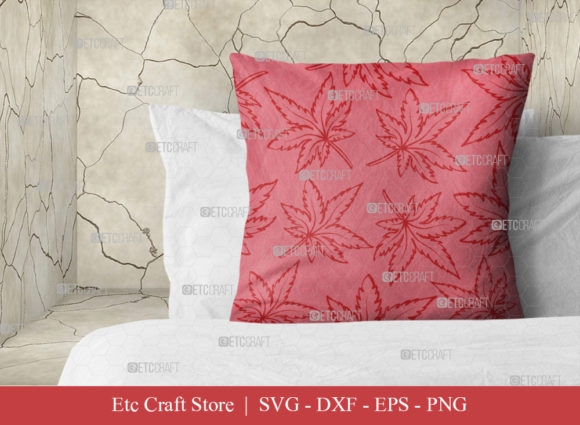
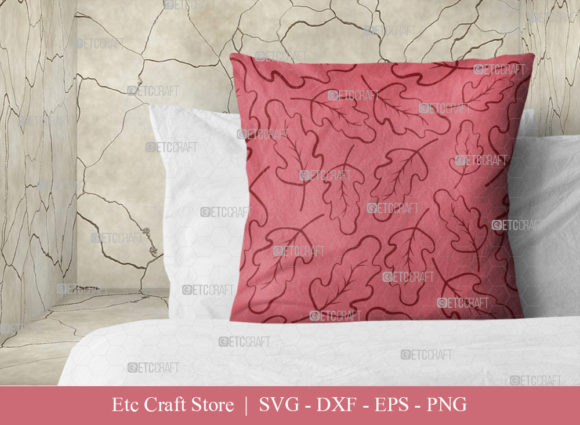
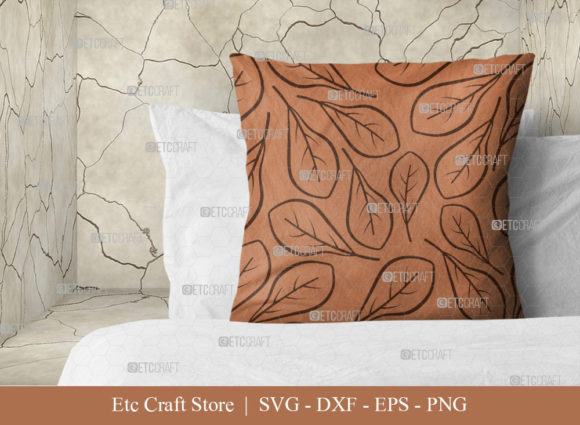
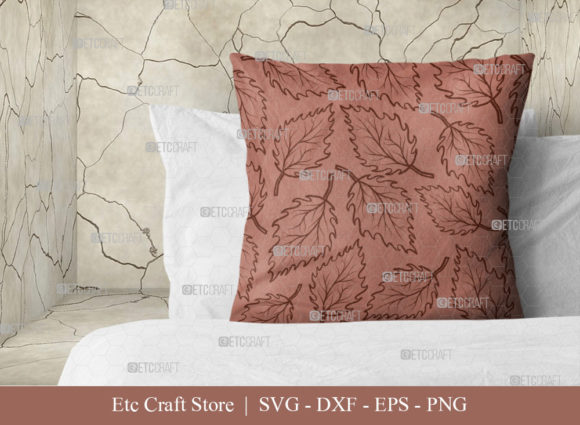
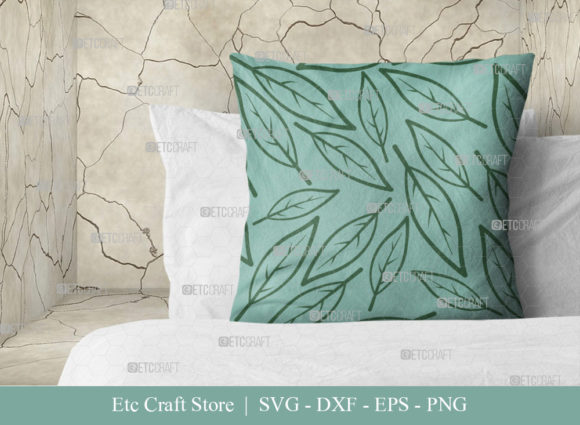
The immediate appeal of this Graphics asset lies in its organic flow. The leaf motifs suggest a natural, earthy vibe that fits perfectly with current trends in sustainable fashion and handmade home decor. Unlike rigid geometric patterns that can look stiff when stitched, these leaves have a softness to their curves. For an embroidery designer, this is crucial. Sharp, unnatural angles often require excessive underlay or complex stitch angles to maintain shape, whereas organic shapes allow for more fluid satin stitches or balanced fill stitches.
The mood here is versatile. It feels appropriate for autumnal themes, given the "Thanksgiving Svg Pattern" context, but it is not so seasonally locked that it cannot work for spring botanicals if you adjust your thread colors. The layout appears to be a seamless pattern, which means it is designed to repeat without visible breaks. This is a significant advantage for larger projects like pillow covers or tote bags, where you want continuous coverage rather than isolated motifs.
Real-World Application: From Screen to Stitch
To truly evaluate the Leaves Pattern SVG Cut File Pattern, I imagined applying it to a few common commercial embroidery scenarios. Let’s consider a custom embroidered tote bag. Tote bags are typically made from canvas or heavy cotton, fabrics that handle stitch density well. Using this pattern as an all-over print effect via embroidery could create a high-value, boutique-style product. However, because it is a pattern, the key is scaling. If the leaves are too small, the stitch count will skyrocket, and the fabric may pucker. If they are too large, the design might lose its cohesion as a "pattern."
Another strong use case is apparel, specifically sweatshirt embroidery. A placement design derived from this pattern—perhaps a cluster of leaves on the chest or sleeve—would look sophisticated on a neutral-toned garment. The organic shapes complement the soft texture of fleece or French terry cloth. For baby embroidery, such as on a onesie or blanket, the gentle curves of the leaves are safe and appealing, provided the stitch density is reduced to keep the garment soft against sensitive skin.
For Etsy sellers and small shop owners, this design offers flexibility. It can serve as a background for quote-based designs, adding visual interest without overpowering text. Imagine a personalized gift featuring a family name overlaid on a subtle bed of these leaves. The contrast between the structured typography and the flowing botanical elements creates a professional, curated look that buyers appreciate.
Technical Considerations and Fabric Compatibility
While the aesthetic is promising, the technical execution requires careful planning. The product description notes that you will receive SVG, DXF, EPS, and PNG formats. It is vital to understand that these are primarily cut files or vector graphics, not necessarily machine-ready embroidery files (such as PES or DST). As an experienced reviewer, I must emphasize that you cannot simply load an SVG into most embroidery machines without conversion or manual digitizing.
If you are digitizing this yourself, pay close attention to stitch density. Leaf patterns can become dense quickly if every vein and edge is stitched out. For a clean finished product, consider using a combination of satin stitches for the outlines and lighter fill stitches for the interior. On stretchy fabrics like jersey knits, a high-density pattern can cause distortion. Always use a proper stabilizer—cut-away for garments that will be washed frequently, and tear-away for stable fabrics like linen or cotton twill.
Curved surfaces, such as caps, present another challenge. A seamless pattern is difficult to execute on a curved crown without distortion. In this case, I would recommend isolating a single leaf or a small cluster from the pattern rather than attempting the full repeat. This ensures the design lays flat and maintains its visual integrity.
Visual Appeal and Brand Consistency
For craft business owners, consistency is key. The Leaves Pattern SVG Cut File Pattern offers a cohesive look that can be adapted across various products. Whether you are creating kitchen towels, aprons, or patches, the consistent use of this botanical theme helps build brand recognition. Customers begin to associate that specific leaf style with your shop.
Thread color choice plays a massive role in the final outcome. On dark fabrics, using metallic or high-sheen rayon threads can make the leaves pop, adding a touch of luxury. On light fabrics, tonal stitching—using a thread color slightly darker or lighter than the fabric—creates a subtle, elegant texture that appeals to buyers looking for understated elegance. Testing the design in black and white mockups before stitching can help you evaluate the contrast and ensure the details remain visible regardless of color choices.
Practical Designer Notes for Best Results
Before committing to a large production run or listing a new item in your online store, follow these practical steps:
- Test on Scrap Fabric: Always stitch out a sample on the exact fabric you plan to use. This reveals issues with puckering, thread breaks, or density problems.
- Check Licensing: The description mentions "commercial embroidery" potential, but always confirm the specific license terms. Ensure you are allowed to sell finished physical items made with this design.
- Evaluate Detail Level: Look closely at the smallest leaves in the pattern. If they are too tiny, they may not stitch out cleanly. You may need to simplify or enlarge certain elements during the digitizing process.
- Consider Hoop Size: Ensure your embroidery hoop can accommodate the scale of the pattern you intend to use. Large seamless repeats may require re-hooping or specialized large-format machines.
- Mockup Variations: Create printable mockups showing the design on different products. This helps visualize how the pattern interacts with seams, pockets, and other garment features.
Final Verdict for Makers and Sellers
The Leaves Pattern SVG Cut File Pattern is a strong contender for designers looking to add organic, nature-inspired elements to their portfolio. Its strength lies in its versatility and timeless appeal. However, its success depends entirely on how well it is adapted for embroidery. It is not a plug-and-play solution for machine embroidery without proper digitizing or conversion.
For those willing to put in the technical work, this design can elevate simple items like tote bags and sweatshirts into high-quality, handmade products. It supports the creation of personalized gifts and boutique merchandise that stand out in a crowded market. By respecting the limitations of fabric and stitch density, and by leveraging the seamless nature of the pattern for larger surfaces, you can create stunning, professional-grade embroidery projects that resonate with customers. Remember, the file is just the starting point; your skill in adaptation and execution is what turns a digital graphic into a tangible, valuable asset.