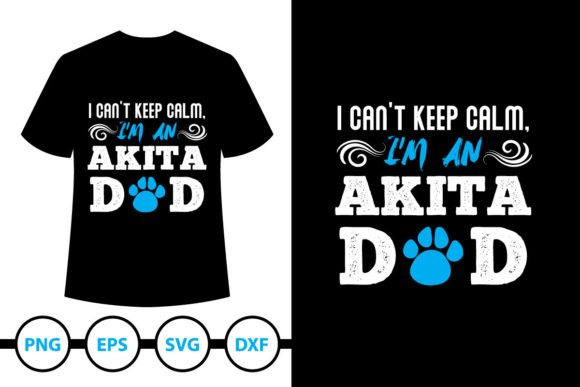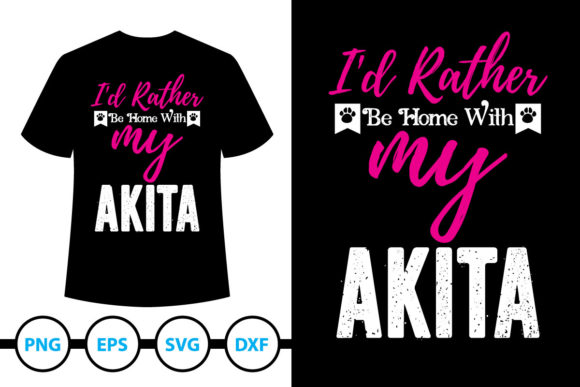
Reviewing Akita Dog T-Shirt Design 4 for Embroidery
As a designer who spends half my life staring at digitized files and the other half watching needles punch through fabric, I have learned that not every graphic translates well to thread. When I first pulled up Akita Dog T-Shirt Design 4, my immediate instinct was to look past the screen preview and imagine the texture. This is a critical step for any serious embroidery project. We are not just printing ink; we are building a tactile surface. The design falls under the category of Print Templates and Graphics, but for us stitchers, the real question is always about structural integrity and visual clarity once it hits the hoop.
First Impressions and Visual Personality
The Akita is a breed defined by strength, loyalty, and a distinct, bold silhouette. A successful design must capture that essence without becoming a muddy mess of satin stitches. My first impression of this file was positive regarding its layout. It feels balanced, with a clear focal point that draws the eye. For embroidery designers, this is crucial. If the lines are too thin or the details too intricate, they will get lost in the pile of the thread or break during wear.
The mood here is warm and inviting, yet dignified. It does not scream for attention with chaotic elements; instead, it relies on strong shapes. This makes it versatile. Whether you are aiming for a rustic farmhouse vibe or a modern minimalist aesthetic, the core structure of the dog’s profile supports both. However, because this is provided as a set of vector and raster files—specifically PNG, SVG, EPS, and DXF—we have to talk about preparation. These formats are excellent for cutting machines and printing, but if you are digitizing this yourself for machine embroidery, you have full control over stitch types. If you are buying a pre-digitized version, you need to trust the digitizer’s judgment on stitch density.
Real-World Application: The Custom Tote Bag Test
To truly evaluate a design, I mentally place it on a specific product. Let’s consider a heavy canvas tote bag, a staple for any craft business or Etsy seller. Canvas has a pronounced weave. A design like Akita Dog T-Shirt Design 4 needs enough weight to stand out against that texture. If the stitch density is too low, the fabric background will show through, making the image look sparse and cheap. If it is too high, the bag will pucker and become stiff.
In this scenario, I envision using a combination of fill stitches for the body of the Akita to create volume and satin stitches for the outline to define the edges sharply. The result would be a durable, high-quality embroidered patch feel directly on the fabric. This kind of finished product appeals to buyers looking for longevity. It is not just a cute image; it is a robust accessory. For small shop owners, this translates to higher perceived value. Customers are willing to pay more for items that look professionally crafted rather than mass-produced.
Apparel and Wearability Considerations
Moving from bags to clothing, let’s discuss sweatshirt embroidery. This is where the "T-Shirt" in the title comes into play, though I often prefer heavier fabrics for detailed dog portraits. On a cotton t-shirt, you must be cautious. Thin fabric cannot support heavy stitch counts without stabilizer failure. If you use this design on a standard tee, I strongly recommend using a cut-away stabilizer to prevent the garment from warping after the first wash.
For baby embroidery, such as on a onesie or a soft blanket, the approach changes. You want softer threads and potentially fewer layers of stitching to keep the item comfortable against sensitive skin. The Akita’s friendly expression makes it a wonderful choice for nursery decor or personalized gifts for new parents. However, ensure that any small details, like the eyes or nose, are not so tiny that they become choking hazards if they were to unravel, although this is rare with proper locking stitches.
Navigating Technical Challenges
No design is perfect for every situation. There are areas where Akita Dog T-Shirt Design 4 requires careful handling. First, consider curved surfaces like caps. Embroidering on a cap is notoriously difficult due to the limited hoop space and the curvature of the fabric. If this design is wide, it may distort when wrapped around the front panel of a baseball cap. I would advise measuring your hoop size and comparing it to the dimensions of the SVG or EPS file before committing. If the design is too wide, it might need to be scaled down, which could compromise the clarity of smaller features.
Dark fabrics present another challenge. If you are stitching a light-colored Akita on a navy or black hoodie, you need excellent contrast. This is where thread color selection becomes an art form. Do not just pick white; consider off-whites, creams, or even light grays to add depth. Testing the design in black and white mockups can help you see if the contrast holds up without color. If the design relies solely on color shifts rather than stitch direction changes, it might look flat on dark goods.
Additionally, be mindful of textured fabrics like fleece or terry cloth towels. The pile of these materials can swallow fine details. For a kitchen towel or a plush blanket, you might need to increase the stitch density slightly or use a topping stabilizer to keep the stitches sitting on top of the fibers rather than sinking in. This ensures the Akita’s features remain crisp and recognizable.
Commercial Viability and Brand Consistency
For the commercial embroidery sector, consistency is key. If you are building a brand around pet lovers or specific dog breeds, Akita Dog T-Shirt Design 4 can serve as a strong anchor asset. It fits well within a broader collection of design assets. When used in printable mockups for your online store, ensure the digital representation matches the physical reality. Misleading previews lead to returns and negative reviews.
Etsy sellers and handmade shop owners should note that while the files provided are versatile for printing and cutting, selling the digital file itself versus the finished product involves different licensing considerations. Always confirm the license terms before selling finished items or digital products. Most designers allow commercial use for physical goods but restrict the resale of the digital file. Protecting your business means respecting intellectual property.
Practical Notes for the Stitcher
Before you load this design into your machine, take a moment to prepare. Here is my checklist for ensuring success:
- Test on Scrap Fabric: Never run a new design on your final garment first. Use a similar fabric scrap to check tension and registration.
- Check Thread Contrast: Lay out your spools next to the fabric. Does the image pop? If not, adjust your palette.
- Review Stitch Density: If you are digitizing from the SVG or EPS, avoid overly dense fills that cause puckering.
- Confirm Hoop Size: Ensure the design fits comfortably within your hoop with room for stabilization.
- Inspect Small Details: Zoom in on the eyes and ears. Are the stitches too short? Will they pull out?
- Use Proper Stabilizer: Match the stabilizer to the fabric weight. Cut-away for knits, tear-away for wovens.
In conclusion, Akita Dog T-Shirt Design 4 offers a solid foundation for a variety of creative projects. Its strength lies in its clear silhouette and emotional appeal. By understanding the technical requirements of embroidery—such as stabilizer choice, thread tension, and fabric compatibility—you can transform this digital graphic into a stunning tangible product. Whether for a holiday gift, a boutique product, or a custom order, thoughtful execution will always elevate the final result. Take the time to plan, test, and refine, and this design will serve your craft business well.