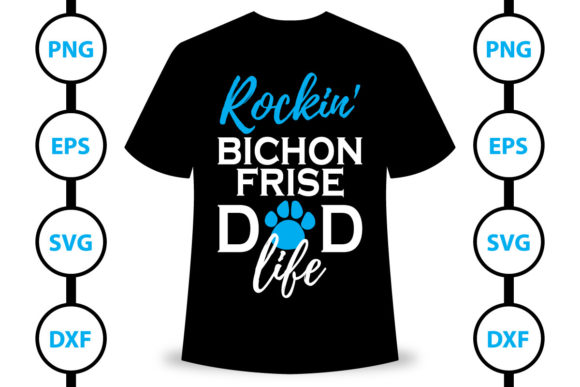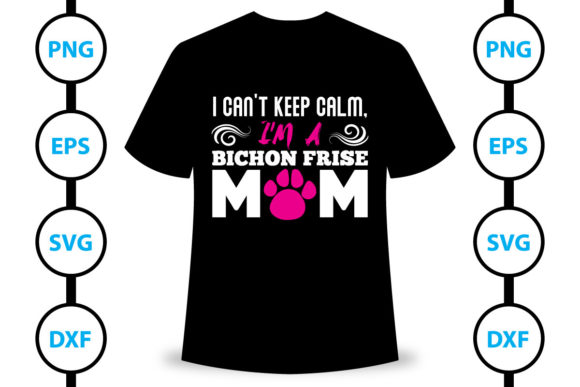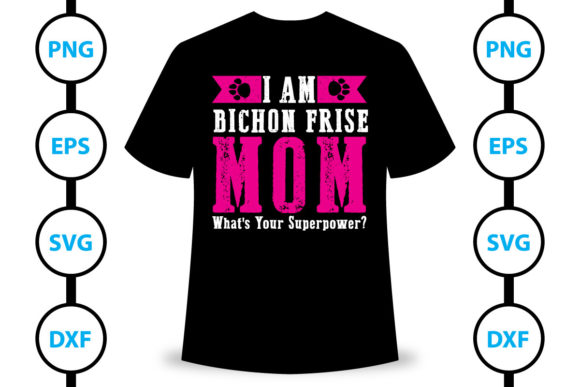
Reviewing Bichon Fries Dog T-shirt Design 12
As a designer who spends more time staring at stitch maps than actual fabric, I have learned that not every cute graphic translates well into thread. We have all been there: you find a charming digital asset, imagine it perfectly centered on a onesie or a tote bag, and then reality hits during the hooping process. Today, I am taking a close, practical look at Bichon Fries Dog T-shirt Design 12. This is not just about whether the image is adorable—because let’s be honest, a pun involving a Bichon Frise and french fries is inherently charming—but about how this specific piece of art holds up when we move from screen to sewing machine.
My first impression of Bichon Fries Dog T-shirt Design 12 was one of playful simplicity. The concept relies on visual wit, merging the fluffy, rounded silhouette of a Bichon Frise with the recognizable shape of a fry container. For an embroidery project, this is a promising starting point. Complex gradients and photo-realistic details are the enemies of clean stitching, especially on textured fabrics like terry cloth towels or pique polo shirts. This design, categorized under Print Templates and Graphics, appears to favor bold shapes and clear outlines, which is exactly what we want to see before we even thread the needle.
The Real-World Test: From Screen to Sweatshirt
To truly evaluate this design, I imagined a specific scenario. A client wants a custom gift for a dog lover who also happens to love fast food. They requested something fun but not overly childish, suitable for a casual weekend sweatshirt. This is where Bichon Fries Dog T-shirt Design 12 shines. The whimsical nature of the pun bridges the gap between cute and quirky, making it appealing to a wide demographic, from teenagers to grandparents.
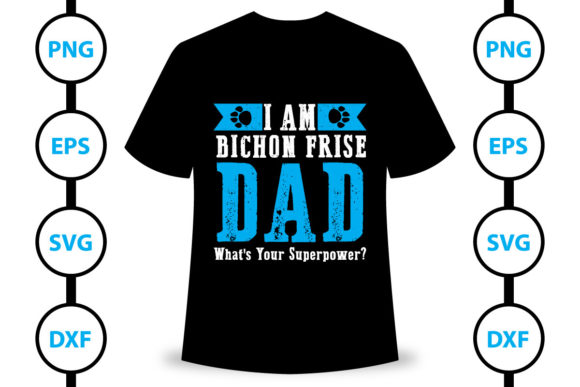
When preparing this for a sweatshirt, the thickness of the fleece becomes a major factor. The design’s layout seems compact enough to sit comfortably on the left chest without distorting across the seam or getting lost in the nap of the fabric. However, because the subject matter involves a "fluffy" dog, there is a risk that low-resolution files could result in jagged edges when scaled up. Since the product description indicates you receive PNG, SVG, EPS, and DXF files, you have the flexibility to choose the right format for your workflow. For embroidery digitizing, the vector formats (SVG, EPS, DXF) are crucial. They allow you to trace clean lines for your satin stitches and fill areas, ensuring that the "fries" look distinct and the dog’s outline remains crisp.
Technical Considerations for Stitching Clarity
Let’s talk about stitch density and thread choice. In any machine embroidery design, the balance between satin stitch borders and fill stitch interiors determines the final quality. With Bichon Fries Dog T-shirt Design 12, the white fur of the Bichon presents a unique challenge. If you are stitching on a light-colored garment, you might be tempted to use white thread for the dog. However, white-on-white often lacks definition unless the stitch direction changes dramatically to create texture. I recommend using a very light cream or off-white thread to provide subtle contrast against a white shirt, or saving this design for darker garments where the white pops effectively.
The "fries" portion of the design likely requires a warm yellow or gold thread. Here, you must check your color contrast. If the design includes red accents for ketchup or branding elements, ensure these colors do not bleed into each other visually. Small details can get lost if the stitch count is too high for the size of the hoop. Speaking of hoops, always confirm your hoop size before starting. While the design is versatile, cramming a detailed graphic into a 4x4 inch hoop might compromise the clarity of the smaller elements. A 5x7 or larger hoop would give the design room to breathe, allowing for proper stabilizer coverage and reducing puckering.
Fabric Compatibility and Product Versatility
This design is listed as suitable for T-shirts, mugs, pillows, bags, and clothes printing. As an embroiderer, I focus on the textile applications. The versatility of Bichon Fries Dog T-shirt Design 12 makes it a strong candidate for various handmade products. For a tote bag design, the graphic would look fantastic centered on canvas. Canvas is stable and takes embroidery well, allowing the fill stitches to lay flat without sinking into the weave. Just remember to use a cut-away stabilizer to support the weight of the stitches over time.
For baby embroidery, such as on a onesie or bib, caution is required. Babies have sensitive skin, and dense embroidery can feel scratchy on the inside of the garment. If you use this design for baby items, consider using a soft backing or limiting the stitch density in the contact areas. Alternatively, this design could work beautifully as an embroidered patch. By stitching it out on a separate piece of felt or twill and then appliquéing it onto the garment, you avoid direct contact with the baby’s skin and add a professional, boutique finish to your small shop product.
Dark fabrics require special attention. If you are stitching this on a navy or black sweatshirt, you will need to use a white underlay or even a white base layer of stitching to prevent the dark fabric from showing through the lighter threads of the dog and fries. This adds time to your production but significantly increases the perceived value of the finished product.
Commercial Use and Brand Consistency
For Etsy sellers and craft business owners, consistency is key. Bichon Fries Dog T-shirt Design 12 fits well within a broader collection of pet-themed or food-pun apparel. It has a friendly, approachable vibe that builds customer trust. When creating printable mockups or digital embroidery file previews, ensure that your images reflect the true scale and texture of the stitched item. Customers appreciate transparency. If the design looks pixelated in your preview, they will assume the final product will look the same.
Before selling finished items or digital products, always verify the licensing terms. The description mentions it can be used for various printing and decoration purposes, but commercial embroidery rights should be explicitly confirmed. Using high-quality design assets responsibly protects your brand reputation and ensures you are respecting the creator’s work.
Final Designer Notes
Here is my practical checklist for using Bichon Fries Dog T-shirt Design 12:
- Test on Scrap Fabric: Always run a test stitch on the same type of fabric you plan to use for the final product. This helps you adjust tension and density.
- Check Thread Contrast: Ensure the white and yellow threads stand out against your chosen garment color.
- Review Stabilizer: Use tear-away for stable woven fabrics and cut-away for stretchy knits like t-shirts and sweatshirts.
- Inspect Small Details: Zoom in on your vector file to ensure there are no stray nodes or broken paths that could confuse your digitizing software.
- Consider the Hoop: Choose a hoop size that allows the design to sit centrally without being cramped.
In conclusion, Bichon Fries Dog T-shirt Design 12 is a delightful addition to your library of graphics. It offers a blend of humor and visual appeal that resonates with modern consumers. By paying attention to technical details like stitch density, fabric choice, and color contrast, you can transform this digital file into a high-quality handmade product that stands out in the crowded marketplace of custom apparel and gifts. Whether you are creating holiday embroidery for family or stocking your online store with unique items, this design has the potential to perform well if handled with professional care.