Reviewing Your Only Limit is You for Embroidery
As a designer who spends more time staring at stitch simulations than I do sleeping, I have learned that not every graphic translates well to thread. We live in an era where digital assets are abundant, but finding a machine embroidery design that balances aesthetic appeal with technical feasibility is rare. Recently, I evaluated Your Only Limit is You, a motivational quote design available as part of a broader collection of Print Templates and Graphics. My goal was not just to look at it on a screen, but to determine if it holds up under the needle when applied to real-world products.
First Impressions: Mood and Visual Personality
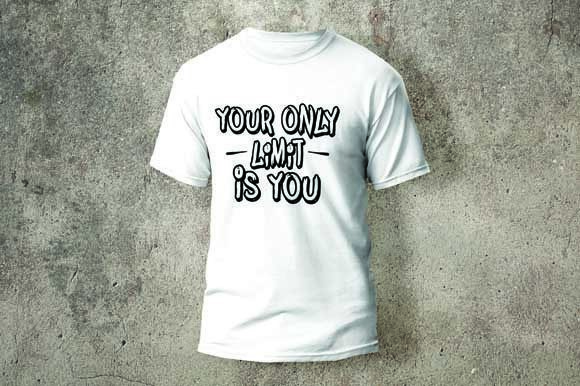
The phrase "Your only limit is you" carries a heavy emotional weight. It is empowering, direct, and modern. Visually, the design relies on typography rather than complex imagery, which immediately signals that legibility is paramount. When I first opened the files, I looked for clean lines and balanced spacing. In embroidery, overly intricate fonts can turn into a tangled mess of thread breaks and bird nests. This design, however, appears to prioritize clarity. The mood is professional yet accessible, making it suitable for a wide range of audiences, from fitness enthusiasts to entrepreneurs.
For an Etsy seller or a small shop product creator, this visual simplicity is a double-edged sword. It allows for quick stitching times, but it demands perfection in tension and fabric choice. There is nowhere for poor stitching to hide in a text-based design. The layout feels centered and stable, suggesting it would work well as a focal point on chest placements or back panels.
Real-World Application: From Screen to Stitch
To test the viability of Your Only Limit is You, I imagined a specific project: a high-quality cotton canvas tote bag intended for a local bookstore’s merchandise line. Tote bags are unforgiving; they show every puckering issue and alignment error. I visualized using a medium-weight stabilizer to support the fabric. The design’s structure suggests it would handle the texture of canvas well, provided the stitch density is optimized. If the digits are too dense, the fabric will warp; if too light, the backing will show through.
Beyond totes, I considered sweatshirt embroidery. A crewneck sweatshirt offers a soft, textured surface that can swallow fine details. Here, the boldness of the quote works in its favor. It does not rely on hairline details that might get lost in the fleece. For custom apparel like t-shirts, the design would need careful handling. Thin jersey fabrics require lightweight cut-away stabilizers to prevent distortion. I could easily see this becoming a bestseller for gym wear or motivational coaching brands, where the message aligns perfectly with the product’s purpose.
Another strong use case is baby embroidery. While the message is mature, the font style could be adapted for nursery decor if paired with softer thread colors like pastels. However, one must be cautious with hoop size. If the design is large, it might overwhelm a small baby onesie. Scaling it down requires checking if the letters remain distinct. If the curves of the "Y" or "O" become too tight, the machine may struggle to execute the turns cleanly.
Technical Considerations and Fabric Compatibility
When working with any new embroidery file, understanding the substrate is half the battle. Your Only Limit is You seems versatile, but it has limitations. On stretchy fabrics like spandex or performance blends, the design must be digitized with compensation for pull. Without proper stabilization, the text will look wavy after the hoop is removed. I always recommend testing on scrap fabric first. This is non-negotiable for professional results.
Dark fabrics present another challenge. If you are stitching white or light-colored thread on a black hoodie, you need high coverage to prevent the background from peeking through. This often means using an underlay stitch effectively. If the design includes an applique design element or uses fill stitch heavily, ensure your machine can handle the thread buildup. Conversely, if it utilizes satin stitch borders, check the width. Narrow satin stitches on thick towels can sink into the loops, becoming invisible.
Curved surfaces, such as caps, require extra attention. The design’s horizontal layout might distort on the front panel of a baseball cap unless the digitizing accounts for the curve. For embroidered patch creation, this design would excel. Patches allow you to control the fabric and stabilizer environment completely, ensuring crisp edges and consistent tension. This makes them ideal for commercial embroidery orders where consistency across hundreds of units is required.
Enhancing Product Value and Brand Consistency
Why choose this specific quote? Because it sells a feeling. Customers do not just buy an embroidered item; they buy identity. A personalized gift featuring this message resonates because it speaks to self-improvement. For craft business owners, this translates to higher perceived value. A simple tee becomes a statement piece. A plain pillow cover becomes a daily affirmation.
Visual appeal drives engagement. When creating printable mockup images for online listings, the clarity of Your Only Limit is You allows for striking photography. It looks good in black and white previews, which is a good test for contrast. If the design loses its impact in grayscale, it may lack sufficient weight. From my review, the structural integrity of the letters suggests it maintains presence even without color variation. This versatility helps maintain brand consistency across different product lines, whether you are selling holiday embroidery gifts or year-round basics.
Practical Designer Notes for Best Results
Before you load this design into your machine, consider these practical steps to ensure a high-quality finished product:
- Check File Formats: The download includes SVG, EPS, PNG, JPEG, and AI formats. Note that SVG is compatible with Circuit Design Space and Silhouette Designer Edition. Ensure you have the correct embroidery file format (such as PES, DST, or JEF) for your specific machine, as these vector graphics may need to be digitized or converted if not already provided in native embroidery formats.
- Test Stitch Density: Run a test on similar fabric to your final product. Check for puckering or thread breaks.
- Select Proper Stabilizer: Use cut-away for stretchy knits and tear-away for stable wovens. For hats, use stiff backing.
- Thread Contrast: Choose thread colors that stand out against the fabric. High contrast improves readability, which is crucial for text-based designs.
- Verify Licensing: Always confirm the license terms before selling items made with this design. Some design assets allow commercial use for physical products but restrict digital resale.
- Inspect Small Details: Zoom in on the digital preview. Look for tiny connecting stitches or complex corners that might cause jams.
In conclusion, Your Only Limit is You is a strong candidate for various embroidery projects. It offers a blend of motivational messaging and clean design that appeals to modern consumers. By respecting the technical requirements of embroidery—such as stabilizer choice, fabric texture, and stitch density—you can transform this digital graphic into a tangible, high-value item. Whether you are creating a tote bag design for a client or stocking your small shop product lineup, this design provides a solid foundation for professional results. Just remember: the quality of the output depends entirely on the care taken in the setup. Treat the design with respect, and it will elevate your craft.